
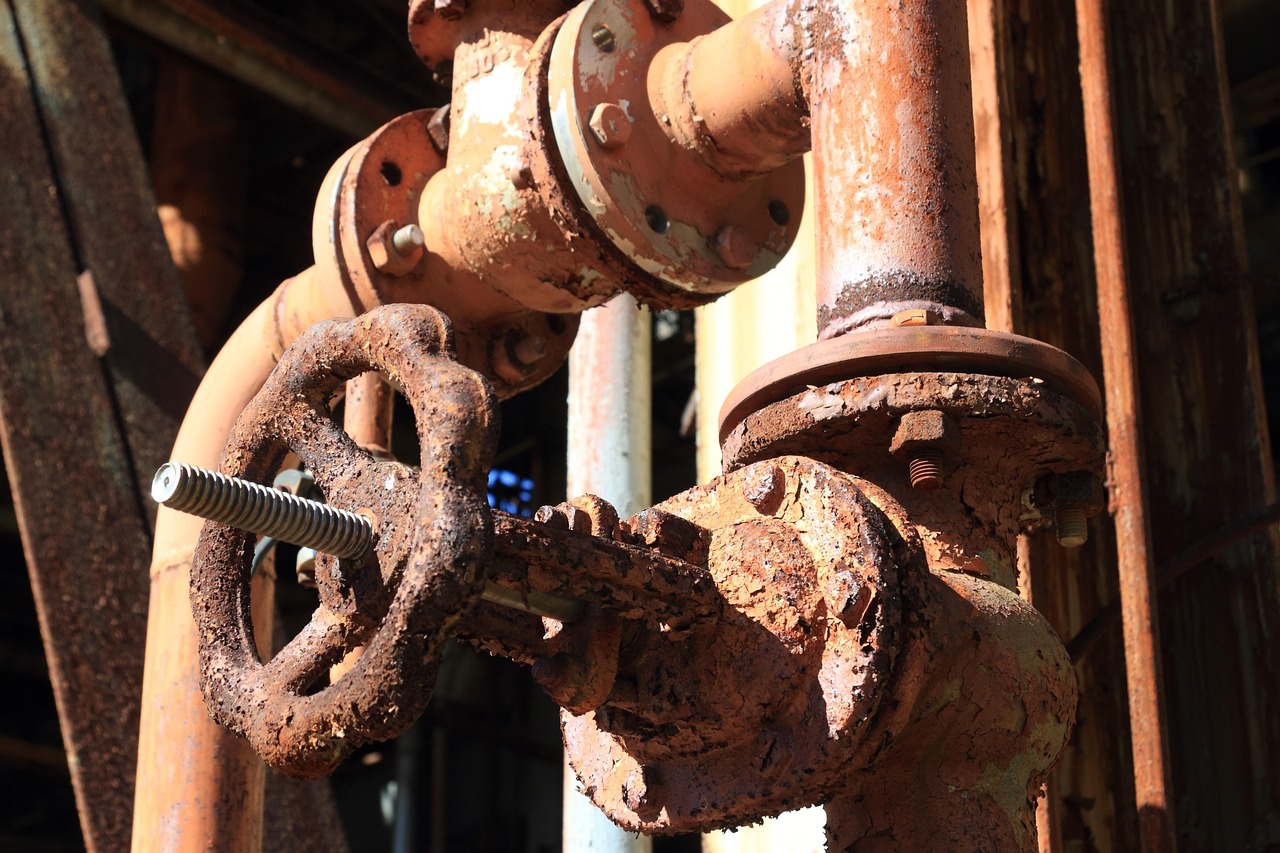
Fixing commercial pipes in Dallas, TX, presents challenges that extend beyond stopping a leak or restoring flow. Building managers must protect employees and occupants, maintain access, comply with operating requirements, and limit disruptions to revenue-producing activities. Cured-in-place pipe (CIPP) rehabilitation can address deteriorated pipelines while avoiding much of the demolition associated with conventional replacement.
Why Commercial Pipe Projects Require Careful Planning
Commercial piping systems often run beneath finished floors, parking lots, production areas, and other difficult-to-access spaces. Open-cut replacement may require concrete removal, excavation, and extensive surface restoration. It can also restrict access to tenant spaces, loading areas, or essential building systems.
CIPP rehabilitates the pipeline from within. A resin-saturated liner is inserted into the existing pipe, positioned against its interior, and cured to form a continuous pipe within the host pipe. Because most of the existing alignment remains in place, excavation and demolition can be significantly reduced.
Start with Pipe Condition Assessment
CIPP should not be selected without first evaluating the host pipe. A video inspection can identify cracks, corrosion, joint separation, root intrusion, accumulated debris, and other defects. Technicians must also confirm the pipe’s diameter, length, alignment, and access conditions.
Before installation, the line must be cleaned thoroughly. Deposits, corrosion scale, and obstructions can prevent the liner from conforming properly to the host pipe. Sections that are collapsed or severely deformed may require localized repair before lining can proceed.
Plan Fixing Commercial Pipes in Dallas, TX, Around Facility Operations
Maintaining operations requires coordination among property managers, facility personnel, tenants, and the rehabilitation contractor. The project plan should identify which fixtures, drains, or process connections will be unavailable during cleaning, lining, and curing.
Flow-control measures may include temporary shutdowns, bypass pumping, or phased installation. Work can sometimes be scheduled during nights, weekends, or planned maintenance periods. However, the schedule must allow enough time for preparation, liner installation, controlled curing, and post-installation inspection.
Verify Technical and Performance Requirements
The liner should be designed for the actual pipe condition and operating environment. Important factors include:
- Pipe diameter and depth
- Groundwater and external loading
- Host-pipe deterioration
- Internal temperature and chemical exposure
- Required structural capacity
- Expected flow and service conditions
For occupied or continuously operating facilities, acceptance testing is especially important. Depending on the pipeline’s function, this may include leak testing, flow verification, or confirmation that all service connections have been restored. Facility teams should retain inspection videos, material records, and testing results as part of the building’s maintenance documentation for future planning.
The completed liner should be inspected to confirm continuity and identify wrinkles, obstructions, or other installation concerns. Lateral and branch connections must also be located and reopened accurately. Documentation may include installation records, curing data, and pre- and post-lining video.
Reduce Disruption Without Compromising Oversight
CIPP can reduce surface damage, but successful installation still depends on careful engineering and quality control. Commercial decision-makers should evaluate material specifications, installer qualifications, access requirements, and acceptance procedures before work begins.
When fixing commercial pipes in Dallas, TX, the goal is to restore reliable performance while keeping downtime and property disruption under control. At Dallas CIPP, we assess commercial pipelines and provide trenchless rehabilitation solutions based on actual site conditions. Contact us to discuss your facility’s piping concerns and request an evaluation.